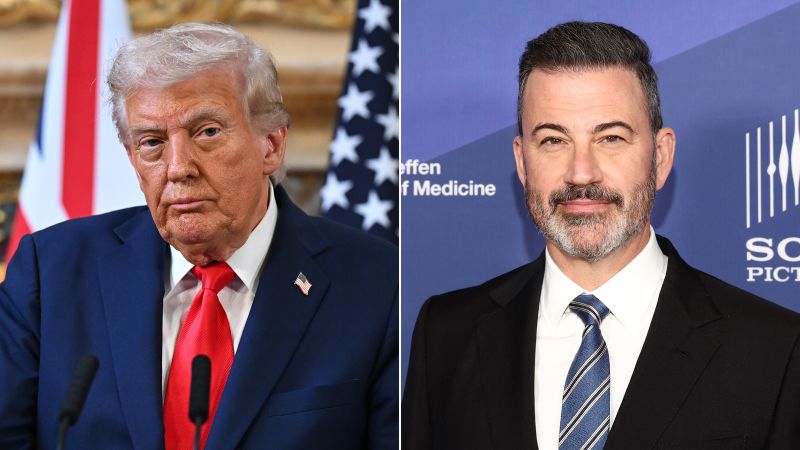
Debate Over Free Speech in Media: Trump Reacts to Kimmel Suspension
Opinion | 9/18/2025


Former President Trump has downplayed concerns regarding free speech following the recent suspension of late-night show host Jimmy Kimmel. The suspension came as a response to Kimmel’s skit mocking the former president. Trump’s response to the incident was dismissive of the notion that free speech was at risk. In a statement, Trump stated, “Free speech is a bedrock of our democracy, and individuals should be able to express their opinions without fear of repercussions.”
The suspension of Kimmel has sparked a debate over the boundaries of free speech in the media. While some argue that comedians should have the liberty to satirize public figures, others contend that there should be limits to avoid crossing into defamation or incitement. Legal experts suggest that the First Amendment protects speech from government censorship, but private entities like television networks have the right to set their own standards.
Critics of Kimmel’s suspension argue that it sets a concerning precedent for censorship and self-censorship in the entertainment industry. They warn that such actions could stifle creativity and lead to a chilling effect on comedic expression. On the other hand, supporters of the suspension emphasize the responsibility of media personalities to exercise discretion and avoid spreading misinformation or promoting harmful content.
In the broader context of free speech debates, this incident highlights the ongoing tension between protecting freedom of expression and addressing potentially harmful or offensive content. With social media platforms and traditional media facing scrutiny over content moderation practices, the Kimmel suspension adds another layer to the complex discussion surrounding the boundaries of free speech in the digital age. The outcome of this debate could have implications for how public figures are portrayed and critiqued in the media landscape.
Related Posts
Opinion | September 3, 2025
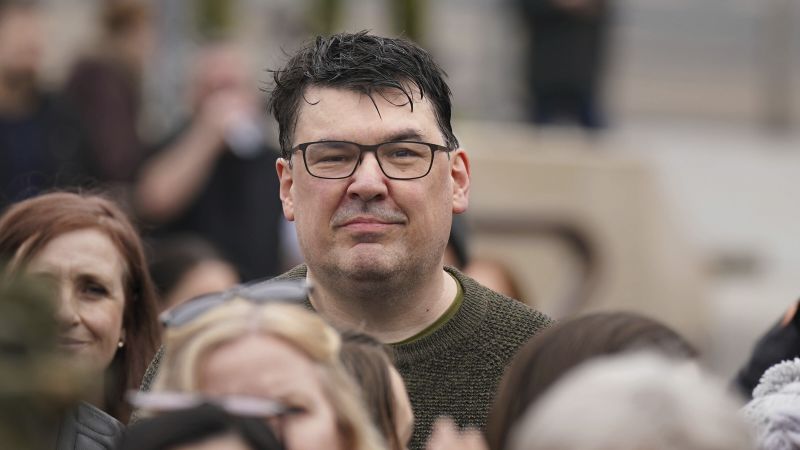
Comedy Writer's Arrest Sparks Free Speech Debate in UK and US
Discussion surrounding free speech ignited by comedy writer's arrest in the UK, prompting transatlantic debate.
Culture | September 12, 2025
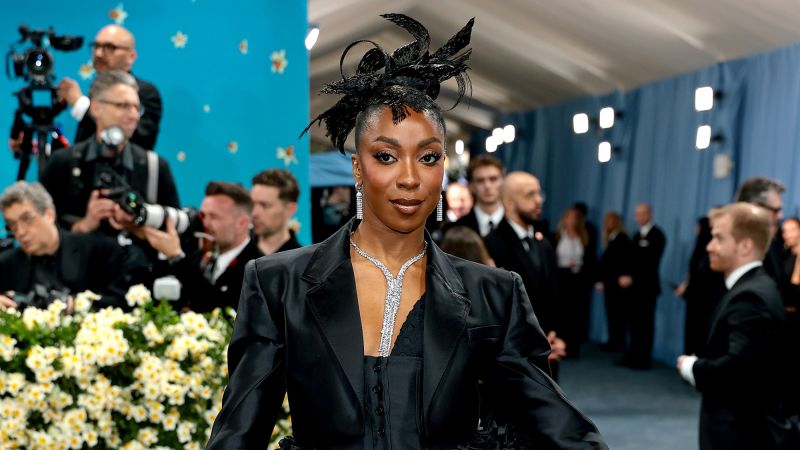
Ego Nwodim Announces Departure from 'Saturday Night Live'
Ego Nwodim, a prominent cast member of 'Saturday Night Live,' has announced her departure from the long-running sketch comedy show.
Culture | September 18, 2025
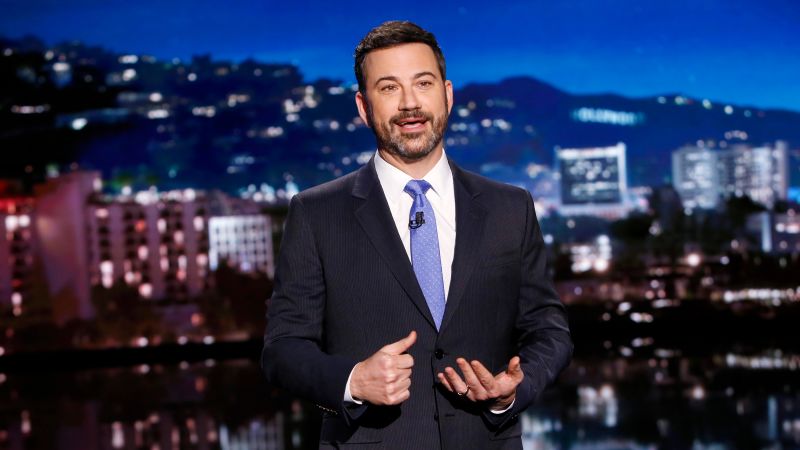
The Evolution of Jimmy Kimmel in Late-Night Television
Explore Jimmy Kimmel's transformation from controversial humor to mainstream success in late-night TV.